

Why Choose Scaffold Boards
Key Takeaways
-
Scaffold boards are structural timber planks used to create safe working platforms on scaffolding, typically measuring 225mm wide by 38mm thick in the UK, with common lengths of 13ft (3.9m), 10ft (3.0m), and 8ft (2.4m).
-
Quality scaffold boards for site use should comply with BS 2482:2009 and be manufactured from responsibly sourced softwood, ideally carrying FSC or PEFC certification.
-
Expected service life ranges from around 5 years under hard site conditions to 10–15 years when boards are properly treated, correctly stored, and well maintained.
-
End bands, correct grading, and regular inspections are essential for safety when boards are used as working platforms at height.
-
Reputable UK timber merchants can provide guidance on selection, treatment, and safe use, and typically offer nationwide delivery with clear lead times.
What is a scaffold board?
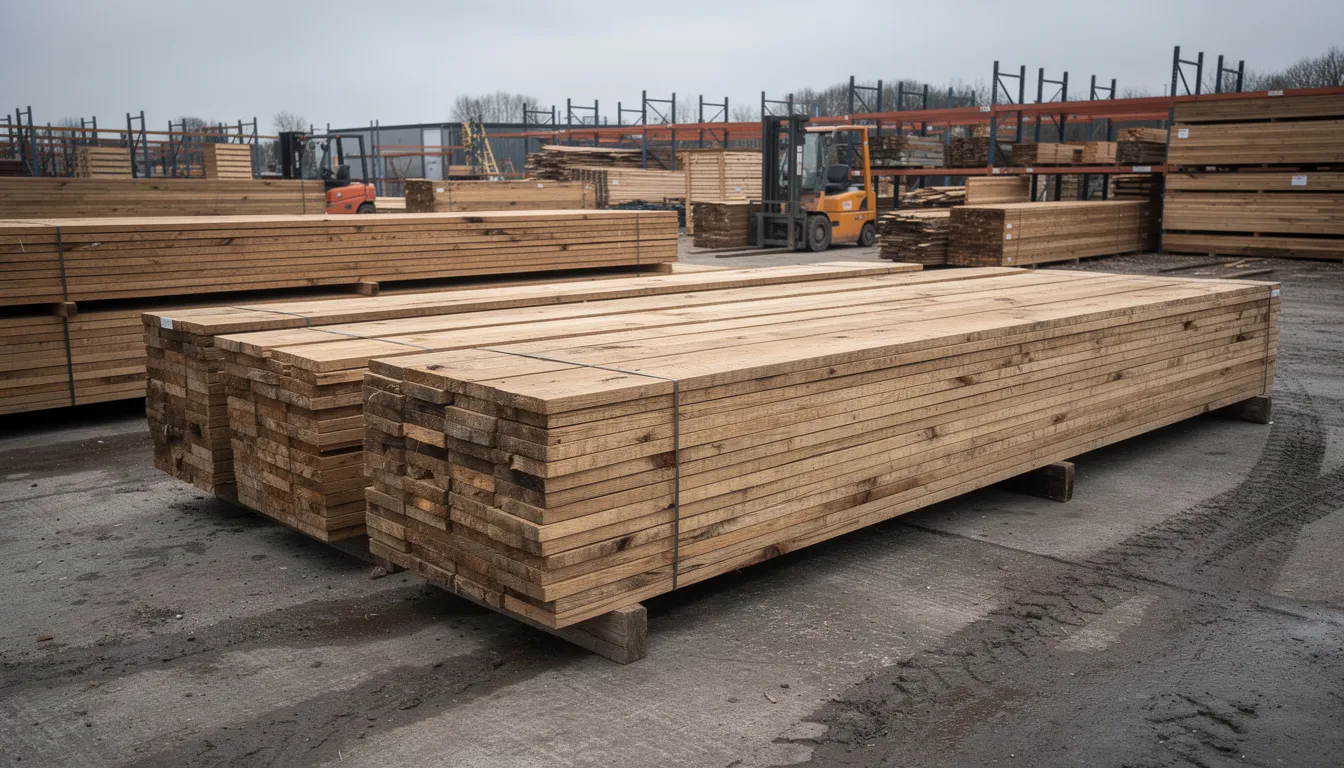
A scaffold board is a structural timber plank designed to create safe working platforms on scaffolding structures. These boards form the horizontal surfaces that workers stand, walk, and operate on during construction, maintenance, and refurbishment projects. In the UK, they are manufactured to exacting standards to ensure they can withstand the demands of busy sites while providing reliable footing at height.
-
Standard UK scaffold boards measure 225mm wide by 38mm thick, and when used for load-bearing scaffolds, they should be manufactured to BS 2482:2009.
-
The most common timber species is European whitewood (spruce), chosen for its strong, excellent strength-to-weight ratio, consistent availability, and competitive cost compared to hardwoods.
-
Scaffold boards sit across scaffold tubes or proprietary system transoms to form walkways and work decks, creating stable platforms for workers, tools, and materials on construction projects.
-
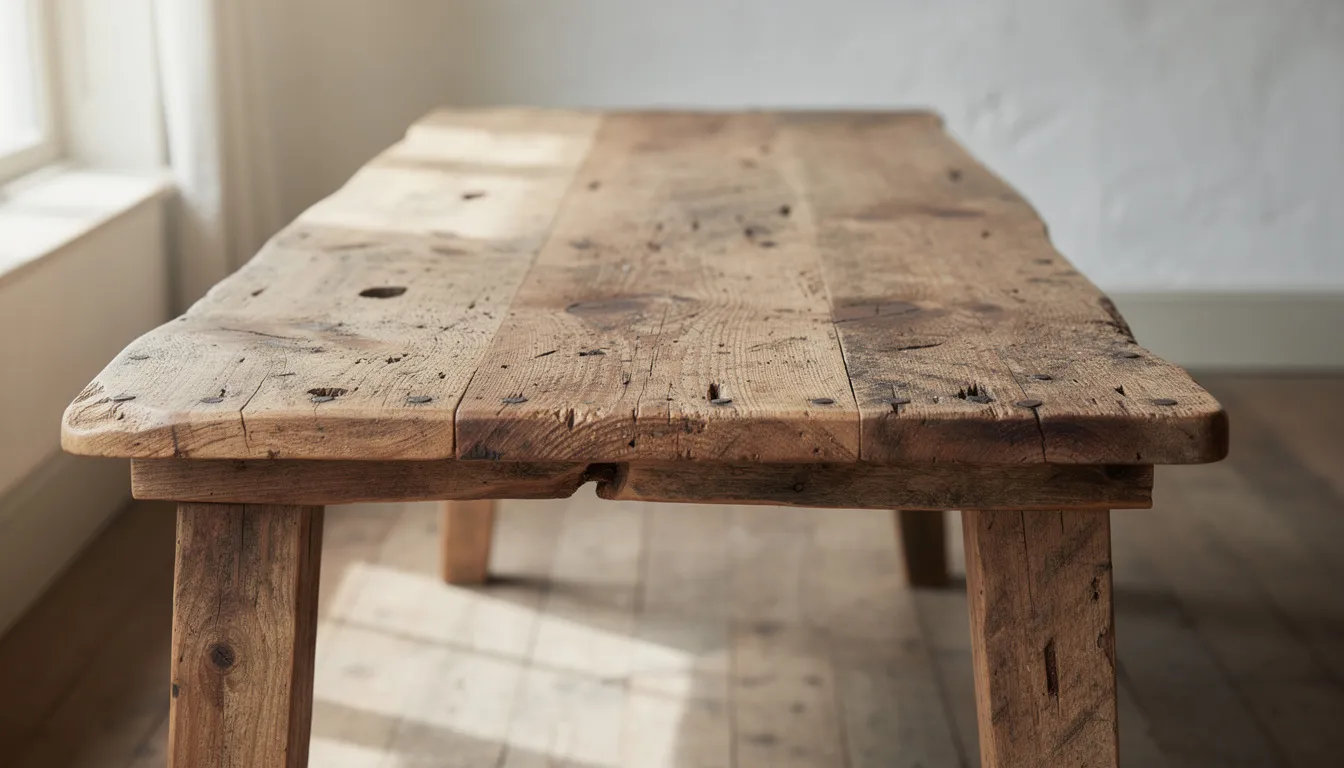
Beyond their primary role in scaffolding, these same boards have become popular in domestic and commercial settings for furniture, shelving, garden projects, decking, and cladding applications.
Types of boards
When it comes to scaffolding and construction projects, choosing the right type of board is crucial for both safety and performance. The most common options are timber scaffold boards and scaffolding planks, each designed to handle heavy loads and withstand the demanding conditions found on building sites. These boards are engineered to meet the highest standards, ensuring they provide a sturdy, reliable platform for workers and materials.
Timber scaffold boards are typically available in a range of sizes, including 3ft, 4ft, 5ft, 6ft, 8ft, 10ft, and 13ft lengths, with a standard width of 225mm and thickness of 38mm. This variety makes them suitable for everything from large-scale scaffolding systems to smaller DIY projects. The wood used in these boards is responsibly sourced, supporting sustainable forestry practices while delivering the durability and strength required for construction environments.
To ensure longevity and prevent issues like splitting or warping, some scaffold boards are pressure-treated, making them more resistant to moisture and the elements. Others are left untreated or unsanded, offering a more natural finish that’s popular for interior furniture, shelving, or cladding projects. Customers can also select boards that are cut to size, providing flexibility for bespoke applications such as decking, storage solutions, or custom furniture.
When selecting scaffold boards, it’s important to consider the intended use—whether the boards will be exposed to the weather, need to support particularly heavy loads, or are destined for decorative purposes. Treated boards are ideal for outdoor decking or cladding, while unsanded options are often chosen for rustic shelving or furniture. By providing a wide range of sizes, finishes, and treatment options, suppliers help customers find the perfect boards for their needs, ensuring every project is completed safely and to the highest standard.
No matter the application, having access to a comprehensive range of scaffold boards means you can always find a product that’s designed to withstand the elements, prevent splitting, and deliver reliable performance—whether you’re working on a major construction site or creating a unique piece for your home.
Standard scaffold board sizes and specifications in the UK
Understanding the range of sizes available helps you select the right boards for your project, whether you are fitting out a scaffold structure or creating bespoke furniture. UK merchants supply boards in a variety of lengths to suit different bay configurations and applications.
-
The most common working lengths are 13ft (approx 3.9m), 10ft (approx 3.0m), and 8ft (approx 2.4m), which are standard sizes for professional site use.
-
Additional frequently supplied sizes include 3ft, 4ft, 5ft, 6ft, and occasionally 16ft boards, though availability can vary by merchant—customers should always check stock before placing an order. Customers should also be aware that actual board sizes may vary slightly due to cutting tolerances or supplier practices.
-
BS 2482:2009 scaffold boards are typically 225mm x 38mm with machine-stress grading; many also feature supporting banding or nail-plates at the ends for added durability.
-
Duty ratings under BS 2482 specify maximum support centres of either 1.2m or 1.5m depending on the board specification—users should never exceed the manufacturer’s loading guidance.
-
There is an important distinction between unsanded (rough-sawn) and planed boards: construction-grade boards are left rough-sawn to provide natural slip resistance, while planed boards offer a sleek finish suited to interior projects.
|
Length (ft) |
Length (m approx) |
Typical Use |
|---|---|---|
|
3ft |
0.9m |
Short bays, DIY projects |
|
5ft |
1.5m |
Compact scaffolds, furniture |
|
8ft |
2.4m |
Standard scaffolding, shelving |
|
10ft |
3.0m |
Standard scaffolding, tables |
|
13ft |
3.9m |
Long spans, full-width platforms |
Why are scaffold boards banded at the ends?
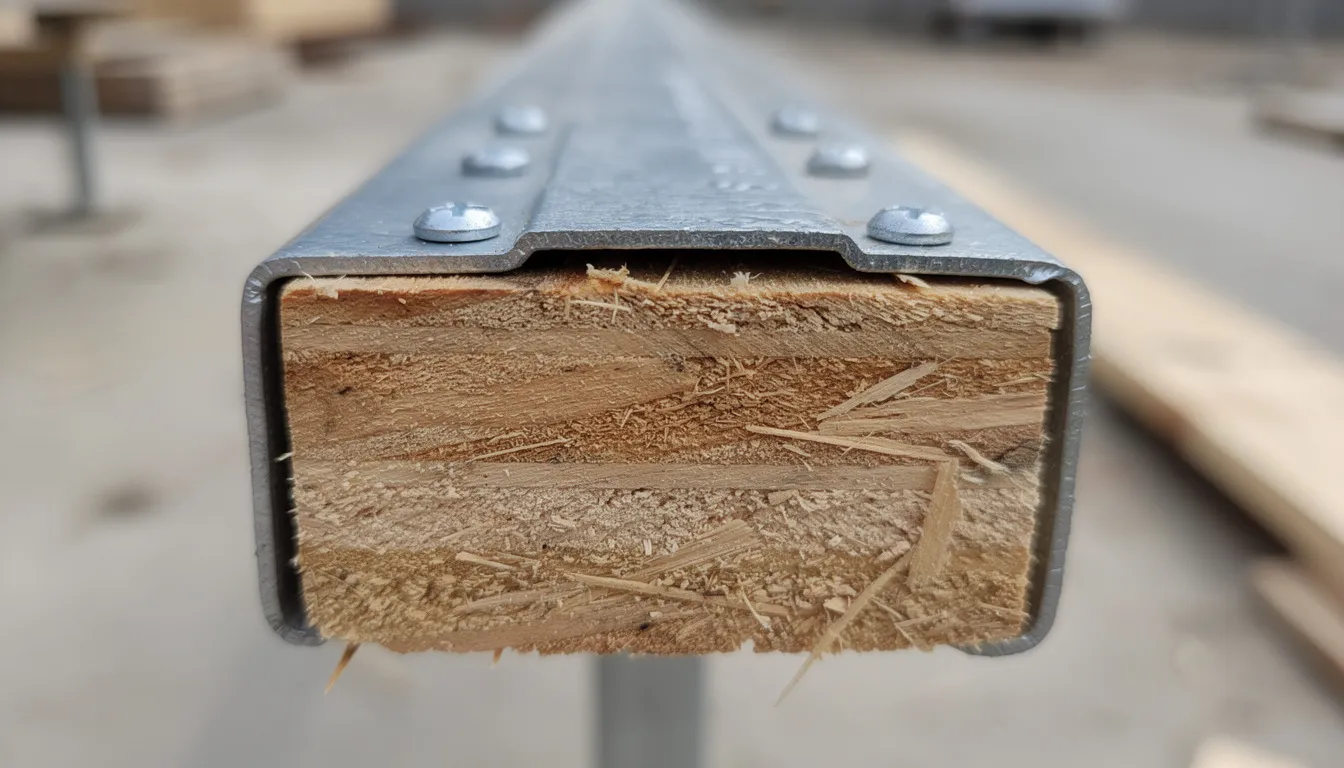
End bands are one of the most distinctive features of quality UK scaffold boards, particularly those manufactured to BS 2482:2009. These metal strips serve both safety and longevity purposes, and understanding their function helps you assess board condition during inspections.
-
End bands are galvanised or zinc-plated steel strips fixed to each end of the board using staples or ring-shank nails.
-
Their primary technical purpose is to prevent splitting from impact, handling, and repeated loading, helping the board retain full structural capacity for longer in demanding site conditions.
-
Banding also aids visual identification of damaged ends during inspections—distortion, loosening, or corrosion of the band can highlight underlying timber issues that might otherwise go unnoticed.
-
Some boards are supplied unbanded, particularly those intended for landscaping, furniture, or other non-structural uses where the aesthetic of exposed wood ends is preferred.
-
If you are removing bands for aesthetic reasons, do so only once the board is no longer used as part of a scaffold platform, as banding contributes to structural integrity.
-
Site users should never attempt to re-band or modify structural boards themselves; instead, replace any boards that show serious end splits, rot, or mechanical damage.
Treatment, durability and warping of timber scaffold boards
The UK climate presents particular challenges for timber products, making treatment and storage practices critical factors in determining how long your scaffold boards will last. Properly managed boards deliver years of reliable service, while neglected stock can deteriorate rapidly.
-
Common preservative treatments include pressure-treated options (often identifiable by green or brown colouration) that help resist decay, fungi, and insect attack when boards are exposed to moisture and outdoor conditions.
-
Untreated whitewood boards are suitable for many scaffold applications but will weather faster outdoors, especially when left in standing water or in direct ground contact. Boards stored outdoors by suppliers may occasionally arrive wet, and this is normal for timber products exposed to the elements.
-
Typical lifespans range from around 5 years under heavy site use with minimal protection to 10–15 years or more when boards are treated, stored off the ground, and protected from prolonged saturation.
-
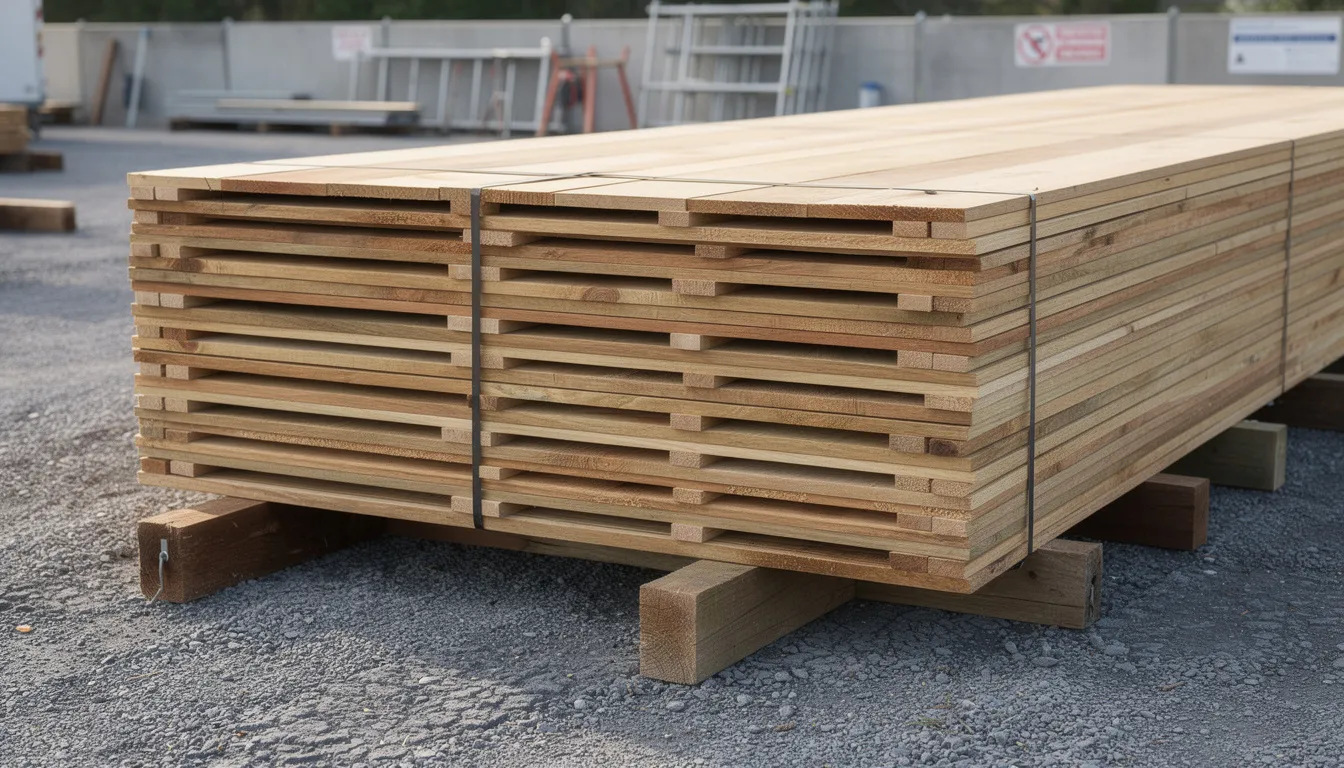
All softwood, including whitewood, can warp, twist, or cup when exposed to repeated wetting and drying cycles—correct stacking with spacers and adequate ventilation significantly reduces this risk.
-
Reputable UK timber suppliers visually and mechanically grade boards before dispatch, rejecting severely bowed or twisted pieces that would be unsuitable for safe use.
-
Regular maintenance inspections should check for rot, excessive checking (surface cracks), loose bands, and contamination from oil, concrete, or chemicals, with any suspect boards removed from service immediately.
When scaffold boards warp beyond acceptable tolerances, they create trip hazards and reduce bearing capacity. Awareness of moisture management is essential for anyone working with these products.
Strength, safety and compliance (BS 2482:2009)
Scaffold boards used as working platforms are safety-critical components. When boards fail, the consequences can be severe, which is why UK regulations and industry guidance place strict requirements on specification, installation, and ongoing inspection.
-
BS 2482:2009 is the principal British Standard specifying requirements for timber scaffold boards, covering grading, dimensions, moisture content, and permissible support spans.
-
The standard recognises both visually graded and machine graded boards, with typical maximum support centres of 1.2m for visually graded boards and 1.5m for boards with additional strength verification.
-
Boards must always be supported at the correct intervals, fully bearing on transoms with no excessive overhangs, and should never be used when visible cracks, rot, or severe distortion are present.
-
Practical safety measures include securing toe boards and guardrails, keeping platforms free of trip hazards, and immediately removing damaged or contaminated boards from service.
-
HSE guidance in the UK expects duty-holders to source boards from reputable suppliers who can document compliance with BS 2482 and provide timber certifications such as FSC or PEFC chain-of-custody documentation.
Boards that comply with the highest standards offer peace of mind on site. When you enter a supplier relationship, look for merchants who are happy to provide certification documentation and answer questions about grading and sourcing.
Common uses for scaffold boards on site and at home
The sturdy, honest character of scaffold boards has made them popular far beyond their original construction purpose. Today, these versatile planks appear in settings ranging from industrial sites to Instagram-worthy interiors.
Professional construction applications:
-
Access walkways and working platforms at height
-
Loading bays and material storage areas
-
Protection to finished surfaces during refurbishment projects
-
Temporary decking for events and installations
DIY and interior design projects:
-
Rustic shelving, bookcases, and storage solutions
-
Dining tables, desks, and kitchen islands
-
Bar counters and retail display fixtures
-
Headboards and bed frames with industrial character
External landscaping uses:
-
Raised beds and planters for vegetables and flowers
-
Garden seating, benches, and outdoor tables
-
Decking-style walkways through garden areas
-
Retaining edges for gravel paths and lawns
Combining scaffold boards with galvanised tube and clamp fittings creates a modular system suitable for benches, clothes rails, storage racks, and garden structures. This approach suits customers creating everything from workshop shelving to boutique retail displays.
For design projects, select boards that are clean, structurally sound, and appropriately treated or sealed for the intended environment. Indoor furniture generally benefits from sanding and finishing with oil or wax, while outdoor applications require weather-resistant treatment.
For more inspiration and to see real-life examples, visit our gallery page featuring a wide range of scaffold board projects.
Selecting, ordering and delivery of scaffold boards from a UK timber merchant
Sourcing scaffold boards from a specialist timber company ensures you receive products that meet your requirements, whether for structural scaffolding or creative projects. This buying guide covers the key considerations for UK customers.
Clarify your application first: Before ordering, confirm whether boards are required for structural scaffolding (where BS 2482 and site regulations apply) or for non-structural uses such as furniture, landscaping, or cladding. This determines the specification you need.
Choose the right length mix: Select from 13ft, 10ft, 8ft, and shorter cuts based on bay sizes, anticipated spans, and minimising waste. If unsure, seek advice from the merchant’s technical team—they can recommend the most suitable products for your area of work.
Check environmental credentials: Look for FSC or PEFC certification and suppliers who can demonstrate responsibly sourced timber meeting UK and EU standards. Many customers now expect this as standard, and certification provides assurance of sustainable forest management.
Understand delivery options: Typical UK delivery arrangements include:
-
Nationwide or regional coverage depending on the merchant
-
Minimum order values for free delivery (often orders above a set £+VAT threshold)
-
Approximate lead times ranging from next-day to several working days
-
Enter your postcode at checkout to confirm delivery date and any applicable charges
Cutting services and tolerances: Some merchants supply only standard lengths, while others offer a cutting service to size. Confirm cutting tolerances (for example ±5mm) and whether cut ends need resealing before outdoor use. This is particularly relevant for furniture projects requiring precise dimensions.
Accepting deliveries:
-
Ensure safe off-loading space with suitable access for the delivery vehicle
-
Check quantities and inspect for visible damage on arrival
-
Stack boards on level, well-ventilated bearers immediately to prevent warping
-
Report any issues promptly to add a note to your order record
Care, maintenance and responsible end-of-life options
Maximising the lifespan of your scaffold boards requires ongoing attention, and when boards finally reach the end of their useful life, responsible disposal or repurposing completes the circle.
Regular inspection routine: Check boards at set intervals for:
-
Rot and soft spots (probe suspicious areas with a screwdriver)
-
Large splits and excessive checking
-
Warping, twisting, or cupping beyond acceptable limits
-
Loose or corroded end bands
-
Contamination with chemicals, oils, or paint
Cleaning practices:
-
Brush off debris, mud, and mortar after use
-
Remove paint spills promptly before they harden
-
Avoid aggressive chemicals that could damage wood fibres or compromise slip resistance
-
Allow boards to dry before storage to limit moisture absorption
Best-practice storage:
-
Stack on level bearers, off the ground
-
Store under cover where possible
-
Insert spacers (stickers) between layers for air circulation
-
Avoid areas prone to standing water or high humidity
Repurposing retiring boards: Boards no longer suitable for scaffold duty can often serve safely in non-structural roles:
-
Planters and raised beds
-
Garden edging and retaining borders
-
Decorative cladding and wall features
-
Workshop shelving and storage
Responsible disposal: Heavily degraded or contaminated boards should be recycled or disposed of according to local authority and waste contractor guidance. Avoid burning preservative-treated boards in domestic settings, as this can release harmful compounds.
FAQs about scaffold boards
These frequently asked questions address additional practical matters not fully covered earlier in this guide.
How do I know if a scaffold board is no longer safe to use on scaffolding?
Remove boards from scaffold service when they show severe rot, deep longitudinal cracks, excessive deflection under load, broken or distorted end bands, or chemical contamination. If in doubt, err on the side of caution—a compromised board at height puts workers at serious risk. Generally, any board that fails visual inspection should not be used for load-bearing applications.
Can scaffold boards be painted, oiled, or stained for interior projects?
Yes, scaffold boards take finishes well when properly prepared. Sand the surface to remove splinters and open the grain, then apply your chosen finish. Danish oil, hard wax oil, and clear matt varnish all work well and allow the timber to breathe. For a variety of looks, you can stain before finishing or leave the natural wood colour to show through. Ensure the board is dry before finishing to prevent moisture becoming trapped.
Are scaffold boards suitable for load-bearing shelving indoors?
Scaffold boards make excellent sturdy shelving when properly supported. Use heavy-duty brackets fixed into solid walls or studs, spacing supports to account for deflection under heavy loads such as books or records. A maximum span of 600–800mm between brackets is a sensible starting point for heavily loaded shelves. Always check the wall construction and use appropriate fixings.
Can reclaimed scaffold boards be used for structural scaffolding?
Only boards that meet current BS 2482 standards and pass thorough inspection should be used at height. Reclaimed stock of unknown provenance, without proper grading and certification, is best reserved for decorative or light-duty applications such as furniture, cladding, or garden features. Using substandard boards on scaffolding creates serious safety and legal risks.
What safety precautions should I take when cutting and drilling scaffold boards for DIY projects?
When working with scaffold boards at home:
-
Use dust extraction or wear a suitable dust mask, especially with treated timber
-
Wear eye and hearing protection when using power tools
-
Seal fresh cuts with end grain sealer or preservative before outdoor use
-
Work in a well-ventilated area and keep your workspace tidy
-
Check for nails, staples, or embedded debris before cutting
Whether you need boards for a major construction project or you are creating bespoke furniture for your home, selecting quality timber scaffold boards from a reliable UK supplier ensures you start with the right materials. If you have questions about sizes, specifications, or delivery to your area, reach out to your timber merchant’s team—they will be happy to help you find exactly what you need.
Ready to order? Browse our range of scaffold boards to get your project started. Please note, our boards are freshly sawn, they are not original rejected scaffold boards. As per their description, they can’t be used for scaffolding.
Related reading
- Browse our scaffold boards for sale — new, treated and unbanded, cut to size.
- How to choose the right timber for your DIY project
- A beginner's guide to choosing the right wood


